Brand Intelligence Platform Built for the AI Era
Operyn reveals where your brand is missing, misrepresented, or losing to competitors in AI-generated answers — and shows you how to fix it. Get your brand recommended in the conversations that drive purchase decisions.
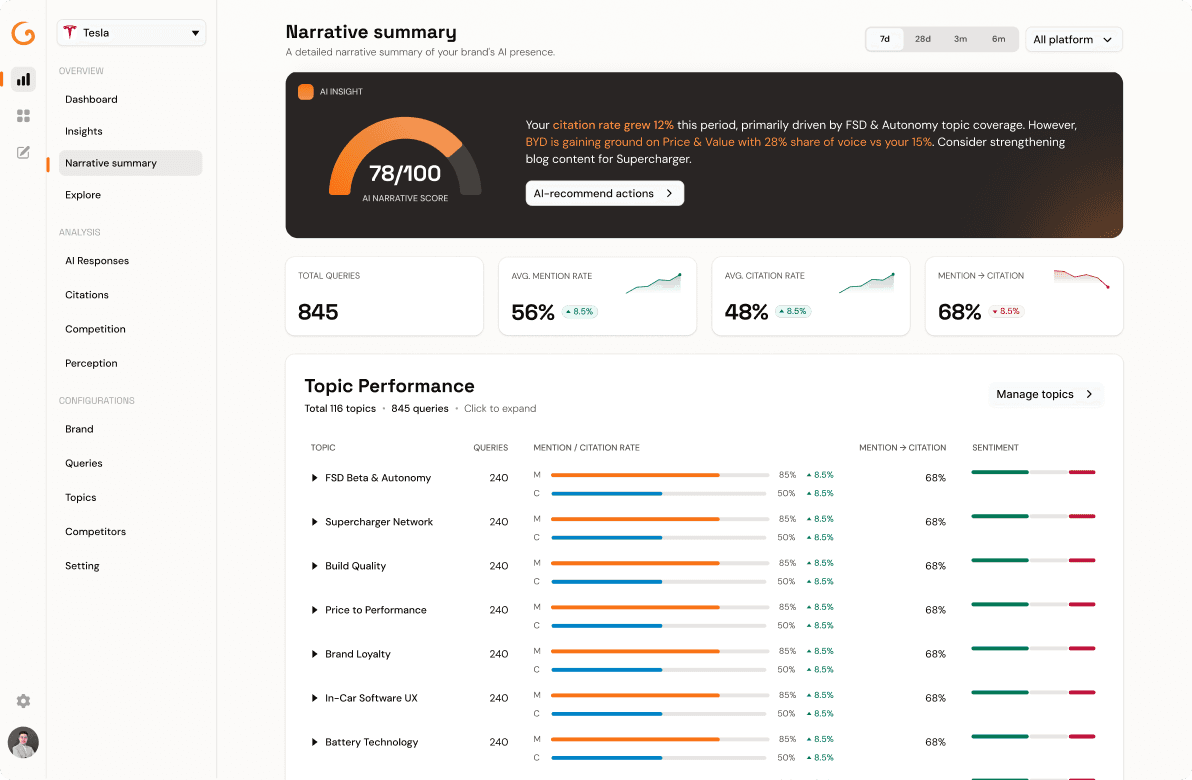
Millions of consumers now use AI to discover brands and products. If your brand isn’t mentioned, it’s not considered. Operyn makes your brand part of those conversations and turns AI visibility into revenue.
Millions of consumers now use AI to discover brands and products. If your brand isn’t mentioned, it’s not considered. Operyn makes your brand part of those conversations and turns AI visibility into revenue.
How It Works
AI Visibility Intelligence System
A structured framework to turn AI answers into confident brand action.
See what exists
See what exists
Operyn scans your AI visibility across major Large Language Models to see what appears, what’s missing, and where your brand is described differently than intended.
Operyn scans your AI visibility across major Large Language Models to see what appears, what’s missing, and where your brand is described differently than intended.
Understand what It Means
Understand what It Means
Operyn reveals the underlying causes shaping how AI understands your brand.
Operyn reveals the underlying causes shaping how AI understands your brand.
Focus on what matters
Focus on what matters
Fixing everything fixes nothing. Operyn prioritizes what to fix first based on strategic impact so you know where to start.
Fixing everything fixes nothing. Operyn prioritizes what to fix first based on strategic impact so you know where to start.
Act With Confidence
Act With Confidence
Operyn helps you act on prioritized gaps, execute targeted changes, and track progress over time.
Operyn helps you act on prioritized gaps, execute targeted changes, and track progress over time.
Product Features
What You Get With Operyn
Each feature isolates a specific, actionable signal that shapes how your brand appears, competes, and wins in AI answers.
Competitive Intelligence
Competitive Intelligence
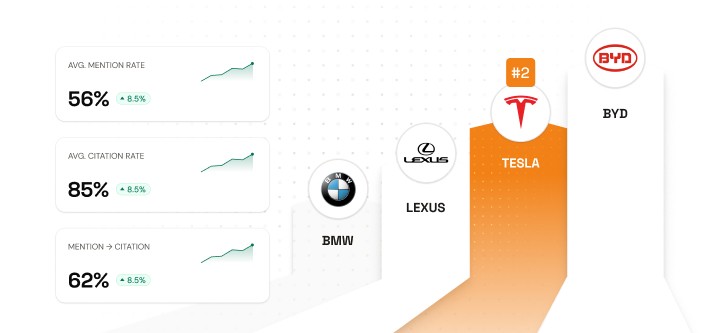
Benchmark your AI presence against competitors with topic-level battleground heatmaps, citation source maps, and share-of-voice rankings.
Benchmark your AI presence against competitors with topic-level battleground heatmaps, citation source maps, and share-of-voice rankings.
Brand Perception Gap Analysis
Brand Perception Gap Analysis
Brand Perception Gap Analysis
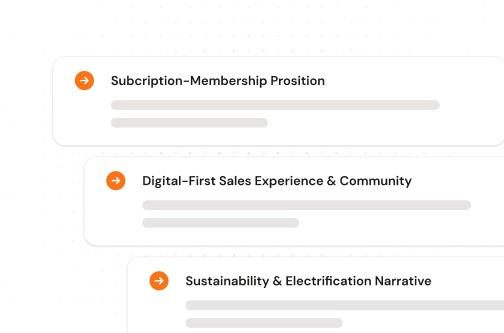
Fixing everything fixes nothing. Operyn prioritizes what to fix first based on strategic impact so you know where to start.
Fixing everything fixes nothing. Operyn prioritizes what to fix first based on strategic impact so you know where to start.
Automated Query Research
Automated Query Research
Automated Query Research
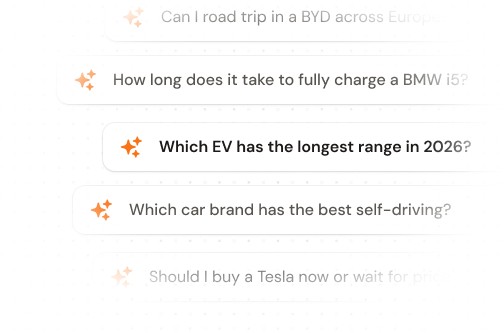
Go from URL to full tracking setup in minutes with AI-generated queries tailored to your brand, topics, and competitive landscape.
Go from URL to full tracking setup in minutes with AI-generated queries tailored to your brand, topics, and competitive landscape.
AI Visibility Monitoring
AI Visibility Monitoring
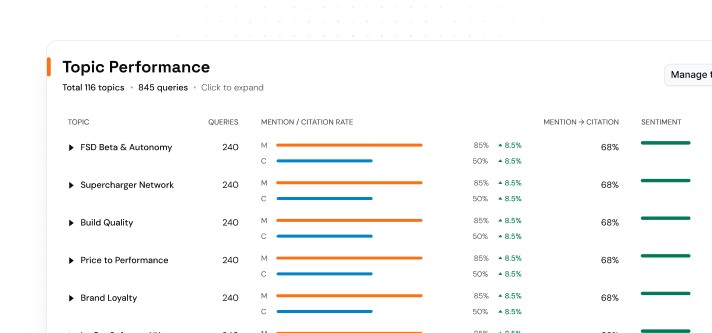
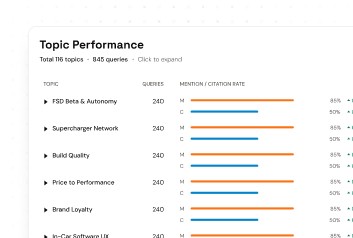
Track your brand’s mentions, citations, sentiment, and share of voice across AI platforms over time, broken down by query, topic, and competitor.
Track your brand’s mentions, citations, sentiment, and share of voice across AI platforms over time, broken down by query, topic, and competitor.
PRICING
Choose Your Plan
Choose between a self-serve plan for individual use or a custom setup for teams with more advanced needs.
Individual
For solo marketers and founders.
$228
/Month
$299
/Month
Track up to 150 queries (50 queries per brand)
Monitor up to 3 brand profiles
Deep dive into sentiment analysis & evidence tracking
Advanced query segmentation tools
Enterprise
For companies needing customization.
Custom
Unlimited queries across all platforms
Monitor unlimited brand profiles
Custom API and data export access
Dedicated Customer Success Manager
Individual
For solo marketers and founders.
$228
/Month
$299
/Month
Track up to 150 queries (50 queries per brand)
Monitor up to 3 brand profiles
Deep dive into sentiment analysis & evidence tracking
Advanced query segmentation tools
Enterprise
For companies needing customization.
Custom
Unlimited queries across all platforms
Monitor unlimited brand profiles
Custom API and data export access
Dedicated Customer Success Manager
PRICING
Choose Your Plan
Choose between a self-serve plan for individual use or a custom setup for teams with more advanced needs.
Individual
For solo marketers and founders.
$228
/Month
$299
/Month
Track up to 150 queries (50 queries per brand)
Monitor up to 3 brand profiles
Deep dive into sentiment analysis & evidence tracking
Advanced query segmentation tools
Enterprise
For companies needing customization.
Custom
Unlimited queries across all platforms
Monitor unlimited brand profiles
Custom API and data export access
Dedicated Customer Success Manager
A BSS Group Company


14+ years building commerce infrastructure for 100,000+ brands across 150+ countries.
14+ years building commerce infrastructure for 100,000+ brands across 150+ countries.
Customers Globally
Enterprise Projects
Global Partners & Specialists
Frequently Asked Questions
Frequently Asked Questions
Learn how Operyn measures AI visibility and what the data means for your brand.
Learn how Operyn measures AI visibility and what the data means for your brand.
What is AI Visibility?
How does Operyn measure AI Visibility?
Is the data real-time?
Can I track competitors?
Do I need technical skills to use Operyn?
How is the AI visibility score calculated?
Explore AEO Research and Insights
Explore AEO Research and Insights
Research and analysis on how AI systems surface, interpret, and prioritize brands — and what that means for your visibility.
Research and analysis on how AI systems surface, interpret, and prioritize brands — and what that means for your visibility.